

Hygienic flooring for changing rooms and staff areas
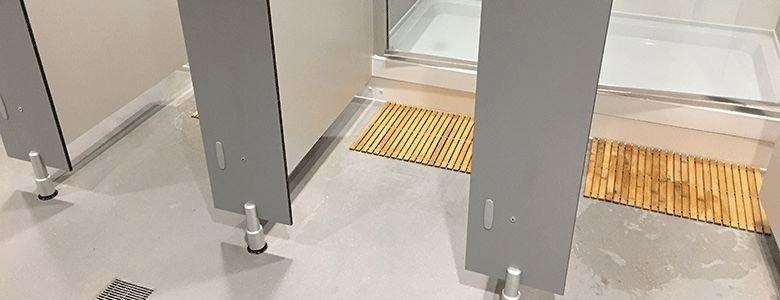
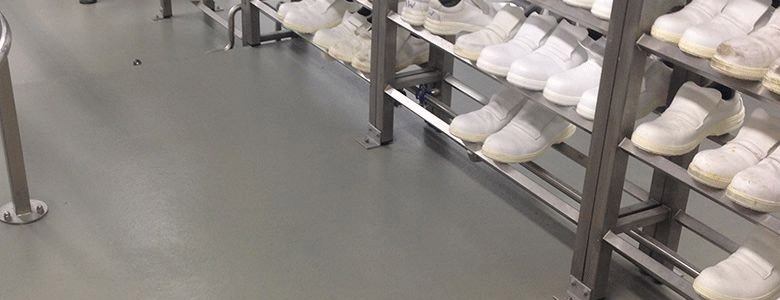
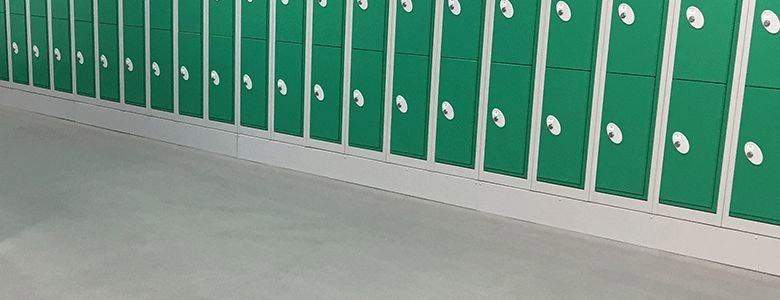


Different grades of flooring are required for the different areas found within the food processing environments.
Production areas need a hard-wearing, chemical resistant floor finish, which is able to stand up to heavy machinery and general wear and tear. Wet and dry processing areas need a floor that delivers a highly robust hygiene performance.
Changing rooms can be congested and hazardous environments that are prone to wear and tear. Ensuring a careful planning and the correct choice of flooring materials can benefit from excellent usability, maintenance can be reduced and accidents averted.
Careful consideration of the flooring is required in areas such as toilets, showers and changing rooms to protect damage from cleaning chemicals and body fluids such as urine. Personal products like soaps, hairspray, deodorants, all of which could have high solvent or chemical content can impact the life cycle of the floor. It is imperative the flooring in areas such as this provide a hygienic, non-porous surface that is non-slip and delivers good chemical resistance to protect against damage.
Some facilities choose to install vinyl flooring. Although the material is easy to clean and cheap to install, over time it can rip, crease, curl and warp causing trip hazards and exposed areas, which are prone to bacteria build-up.
A disadvantage of vinyl flooring is it has poor impact resistance. The probability of damaging the vinyl when using heavy and sharp equipment on a daily basis is rather high. Furthermore, the durability of vinyl is not as very good, meaning high volumes of daily foot traffic will soon cause the facility to have major maintenance problems.
In comparison, tiled flooring is very hard wearing and usually has good impact resistance. However, over time the mortar between the tiles can be subject to cracking and chipping, which offers bacteria a place to hide.
Unlike vinyl flooring, once a resin floor is installed it is extremely durable and impact resistant. Resin is also installed as one seamless floor. This means there are no joints, creases or crevasses, which can be damaged and come under attack by unwanted bacteria.
One of our customers noticed the advantage of our URAGARD flooring has had across their food manufacturing facility. They wanted to include the same quality hygienic floor to their large staff changing and amenities building.
Having tried various flooring options in the past, our customer realised the importance of having flooring with a seamless surface, which can prevent any build-up of bacteria, dust and debris in hard to clean places. Therefore a high standard of cleanliness to prevent the spread of bacteria and viruses is not in their food process areas but also in areas on the outside of processing.
After a consultation on design and specification, the John L Lord team carried out the manufacture and installation of over 1000m² of Uragard HT120W to the canteen, toilets, shower rooms, changing rooms, engineers workshop and laundry areas.
Uragard HT120W is part of our HT Range of heavy-duty, high performance and anti-slip polyurethane screed. Uragard HT120W is an independently tested slip-resistant screed, designed to provide safety under food and improve cleanability.
The addition of BioCote and its high hygienic attributes means our Uragard resin flooring can also be antimicrobial.
Generally speaking, an antimicrobial resin floor can reduce bacteria, mould and fungi in as little as 2 hours and will achieve up to 99.99% bacteria reduction in 24 hours.
By having lower levels of microbes on a floor surface means improved hygiene, reductions in staining and odours, and a delay in degradation of materials. In summary, this can extend the functional lifetime of a resin floor.